
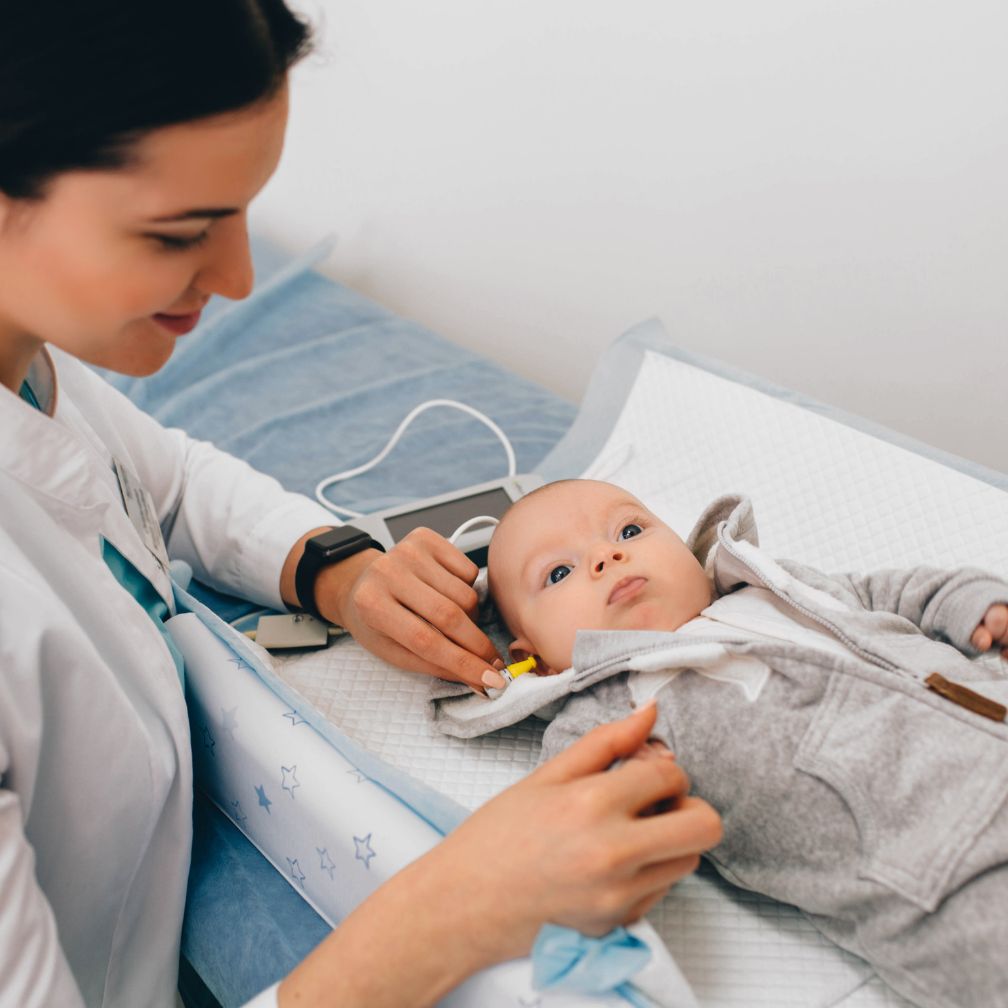
For guardians caring for an infant, recognizing that their infant suffers hearing impairment can trigger overwhelming feelings of anxiety. However, the encouraging reality remains: through prompt screening and early care, infants with auditory challenges can realize profound developmental success. Without question, these babies can construct clear speech, social competencies, and enduring bonds within their community, realizing a wonderful life!
Employing wearable hearing aids or internal cochlear implants provides two highly reliable options for helping infants with auditory challenges. Within this detailed breakdown, we assess their core operations and outline how to select the proper device for your child.
Grasping the Basics of Pediatric Hearing Loss
Hearing impairment in young infants often develops due to various potential factors, including:
- Distinct inherited genetic traits (even where ancestral histories yield no precedent)
- Severe perinatal infectious diseases like cytomegalovirus (CMV) or rubella transmission
- Labor complications, such as perinatal hypoxia or early delivery
- Particular clinical medications utilized throughout neonatal intensive care
What stage carries the most weight? Early diagnostic testing. This necessity explains why babies throughout the United States receive hearing evaluations prior to leaving the birth facility. Trained pediatric hearing clinicians strongly promote the established “1-3-6” intervention timeline:
- First-stage screening administered before 1 month of life
- Formal diagnostic verdict finalized within 3 months
- Early care (incorporating amplification systems or active therapy) initiated inside 180 days of birth
Reaching these structural checkpoints provides infants an optimal path toward speech acquisition, language mastery, and cognitive growth. Should you need direction concerning these screening milestones, your trusted pediatrician will eagerly guide you!
Wearable Hearing Aids in Infant Care
Regarding babies diagnosed with mild to severe auditory loss, modern hearing aids frequently serve as the initial therapeutic step. These compact, external instruments enhance environmental audio, enabling infants to perceive spoken words and environmental noise with greater clarity.
Modern pediatric hearing aids remain:
- Thoroughly safe for application in newborns only several weeks old
- Crafted featuring soft, skin-friendly ear inserts that get updated throughout early childhood development
- Outfitted with secure battery housing closures and specialized pediatric safety components
- Precisely calibrated by a specialized pediatric audiologist to match your child’s specific auditory needs
As your baby grows, wearable units demand periodic adjustments to guarantee physical comfort and optimal performance.
Pediatric Cochlear Implants: An Advanced Solution
In instances where an infant demonstrates profound sensorineural hearing impairment and receives minimal relief from hearing aids, specialists often advise a cochlear implant. In contrast to conventional amplification tools, advanced cochlear implants:
- Must be placed via a specialized surgical procedure by an experienced otolaryngologist
- Direct signals past non-functional hair cells inside the cochlea
- Process acoustic energy into clear electrical signals that stimulate hearing nerve pathways directly
Surgically fitted cochlear implants serve as:
- Formally FDA-sanctioned for use with pediatric patients aged 9 to 12 months and older
- Maximally beneficial when paired with early developmental therapy and dedicated home support
- Recommended solely following exhaustive clinical evaluations by a pediatric audiologist and ENT specialist
That pre-surgical path incorporates diagnostic imaging, objective hearing assessments, and in-depth discussions surrounding achievable long-term goals.
Evaluating Hearing Aids Against Cochlear Implants
- Mild to severe hearing loss targets Hearing Aids; Severe to profound hearing loss: Cochlear Implants
- Non-Invasive external fitting: Hearing Aids; Invasive surgical procedure: Cochlear Implants
- Acoustic sound amplification: Hearing Aids; Electrical signal stimulation conversion: Cochlear Implants
- Starts at Infancy: Hearing Aids; Starts at 9-12 Months: Cochlear Implants
Closing Perspective: Choosing Between Hearing Aids and Implants
If your newborn faces a confirmed hearing impairment diagnosis, you have options alongside extensive professional backing. With active assistance from pediatric hearing professionals, a vast majority of children attain speech and language milestones fully matching their playmates.
No matter if your infant proves better suited for conventional hearing aids or advanced cochlear implants, prompt intervention unlocks lifelong developmental success.
Do you need professional advice regarding your baby’s current hearing health? Reach out to our specialists today for a complete diagnostic review and tailor-made care roadmap.