
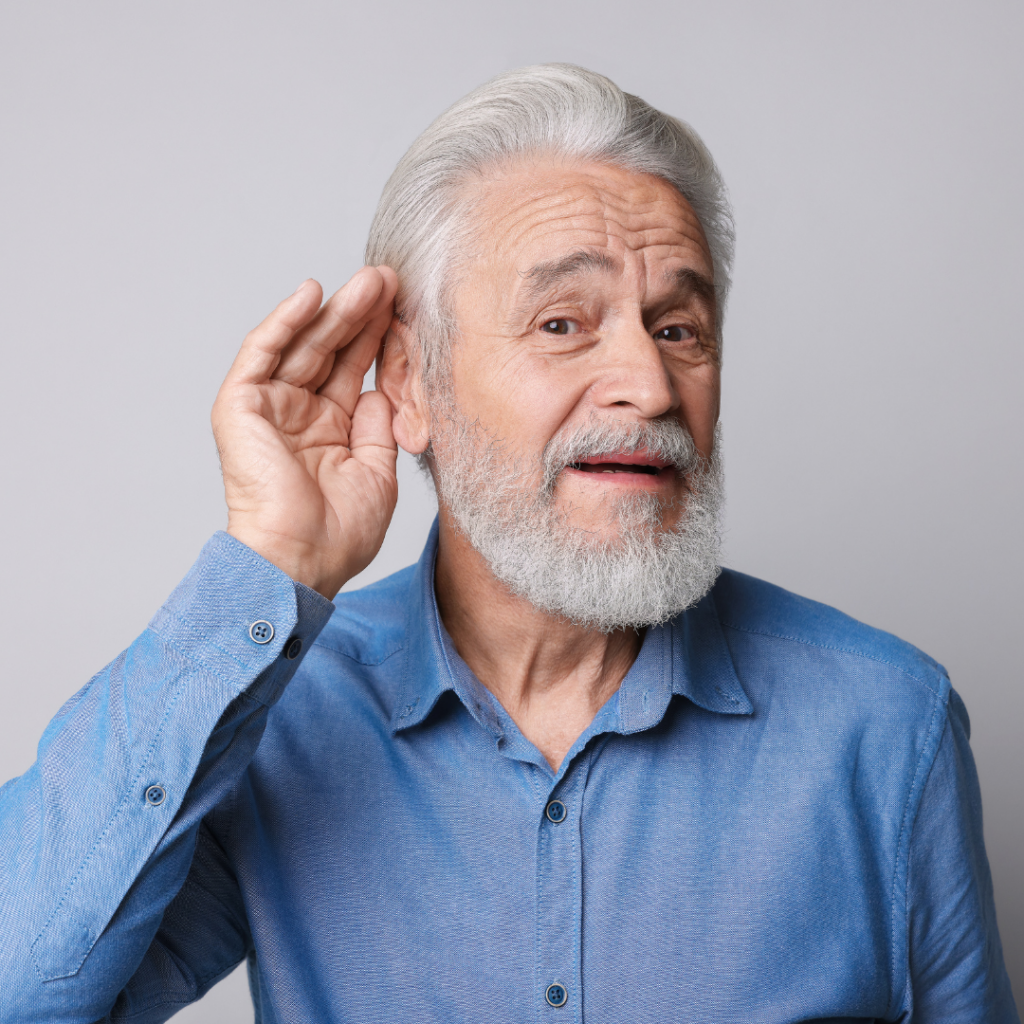
A rapid drop in hearing in one ear can cause immediate fear and leave patients confused regarding the appropriate next steps. Our clinical team conducts same-day diagnostic hearing evaluations and streamlines collaborative medical care following sudden auditory changes. Sudden hearing loss always requires immediate attention from a hearing specialist to explore treatment or hearing rehabilitation when needed.
Is Sudden Unilateral Hearing Loss an Audiological Emergency?
Yes. Sudden hearing loss in one ear should be treated as a medical emergency, particularly when it develops within hours or over a few days. Clinically termed sudden sensorineural hearing loss or sudden deafness, this condition originates within the delicate inner ear or cochlear nerve pathways. It standardly presents without physical discomfort, often being erroneously dismissed as simple earwax impaction or sinus congestion.
Potential signs of this condition include:
- A sudden degradation of hearing volume or clarity affecting a single ear
- Struggling to hear or follow telephone speech on the compromised side
- An acoustic pop or distinct feeling of canal fullness heralding the auditory change
- Newly acquired tinnitus presenting as high-pitched ringing, clicking, or roaring in that ear
- Dizziness, imbalance, or a spinning sensation
You should never delay care in hopes that auditory function will resolve spontaneously. Contact our audiology practice, an emergency department, or an ear, nose, and throat physician for immediate same-day direction.
Why Rapid Clinical Intervention Matters for Sudden Unilateral Hearing Loss
Immediate audiological evaluation is vital because clinical therapies for sudden sensorineural hearing loss deliver the greatest recovery potential when deployed without delay. We first differentiate whether the condition represents a conductive loss from cerumen or fluid, or a true sensorineural loss involving the inner ear or vestibulocochlear nerve. These two forms of hearing loss mimic each other subjectively, yet they necessitate completely different medical treatments.
A thorough physical ear inspection combined with a diagnostic hearing test isolates the exact type, audiometric shape, and severity of the loss.
Seek emergency care immediately if sudden hearing loss occurs with:
- Marked facial drooping, unilateral weakness, or loss of sensation
- Neurological speech deficits, sudden disorientation, or an excruciating new headache
- Unexplained diplopia, syncopal episodes, or severe physical difficulty walking
- Sharp chest discomfort or related symptoms of acute cardiovascular distress
These red-flag manifestations often signify a life-threatening neurological or cerebrovascular crisis requiring emergency hospital care rather than an outpatient visit.
Clinical Causes and Mechanisms Behind Sudden Hearing Loss
In approximately ninety percent of sudden sensorineural hearing loss presentations, no single definitive cause is ever confirmed. If an underlying cause is identified, it typically entails tissue inflammation, physical injury, microcirculatory failure, autoimmune disease, or specific cochlear nerve disorders.
Potential medical causes encompass:
- Systemic or localized viral and bacterial infections
- Concussive physical head trauma or sudden high-decibel acoustic trauma
- Underlying autoimmune conditions attacking cochlear tissue
- Medications that can damage the inner ear
- Problems involving blood flow
- Idiopathic inner ear conditions including fluctuating Ménière’s disease
- Neurodegenerative or demyelinating disorders such as multiple sclerosis
- A benign tumor, such as a vestibular schwannoma, compressing the vestibulocochlear nerve
Since presenting signs do not confirm the specific etiology on their own, obtaining a prompt examination and diagnostic audiologic testing is essential.
Clinical Treatment Protocols for Sudden Sensorineural Hearing Loss
Corticosteroids are a common treatment when sudden sensorineural hearing loss has no clear cause. The treatment can be administered systemically via oral tablets or delivered locally through the tympanic membrane to reach inner ear structures directly. Clinical treatment pathways are determined by our specialists based upon presentation timing, loss magnitude, underlying health status, active prescriptions, and risk factors.
Corticosteroids are generally deployed within the initial two-week therapeutic window, and beginning as early as safely permitted is essential. Intratympanic steroid injections may also be recommended as salvage treatment when recovery is incomplete. For specific candidates, a physician may recommend hyperbaric oxygen therapy in combination with aggressive steroid therapy.
Will Sudden Hearing Loss in One Ear Resolve Without Medical Treatment?
Sudden sensorineural hearing loss can, in some circumstances, improve spontaneously without medical therapy. Literature indicates that approximately 50 percent of patients recover some or all hearing spontaneously, frequently within the first one to two weeks. Yet, no reliable clinical markers exist at presentation to identify who will recover, how much hearing will be restored, or if recovery will remain stable.
The possibility that hearing might return spontaneously is never an acceptable reason to delay emergency treatment. Medical interventions become markedly less effective at reversing permanent deficits when delayed by weeks, closing a critical therapeutic window. Final patient outcomes vary widely, spanning full recovery, partial gains, or minimal improvement.
What Happens If Sudden Sensorineural Hearing Loss Fails to Improve?
If auditory recovery is incomplete following treatment, clinical planning depends on remaining hearing levels, single-ear speech understanding, and comprehensive diagnostic imaging. We may recommend magnetic resonance imaging (MRI) or an auditory brainstem response test to examine the hearing nerve and nearby structures.
Longer-term options may include:
- Fitting a traditional hearing aid whenever the affected ear possesses aidable hearing capacity
- A Contralateral Routing of Signals (CROS) hearing system that wirelessly routes sound from the non-functional side to the healthy ear
- Bone-conduction hearing implants or transcutaneous bone processors for suitable clinical patients
- Cochlear implantation for medically and audiologically eligible candidates presenting with single-sided deafness (SSD)
- Cutting-edge assistive listening devices to enhance speech perception in occupational, classroom, and social environments
Targeted audiologic rehabilitation provides strategies to manage cognitive listening exhaustion, impaired sound localization, and interpersonal communication hurdles. The appropriate auditory solution depends entirely on objective hearing test outcomes, lifestyle requirements, systemic health, and patient preferences.
Request a Same-Day Hearing Evaluation
If you have experienced an acute auditory shift today or in recent days, pursue urgent same-day medical evaluation instead of waiting for routine appointments. Our clinic will perform comprehensive diagnostic hearing testing, compare thresholds between ears, document onset chronology, and coordinate urgent care with an ENT physician.
Call or message our practice immediately to secure a prompt hearing appointment.