
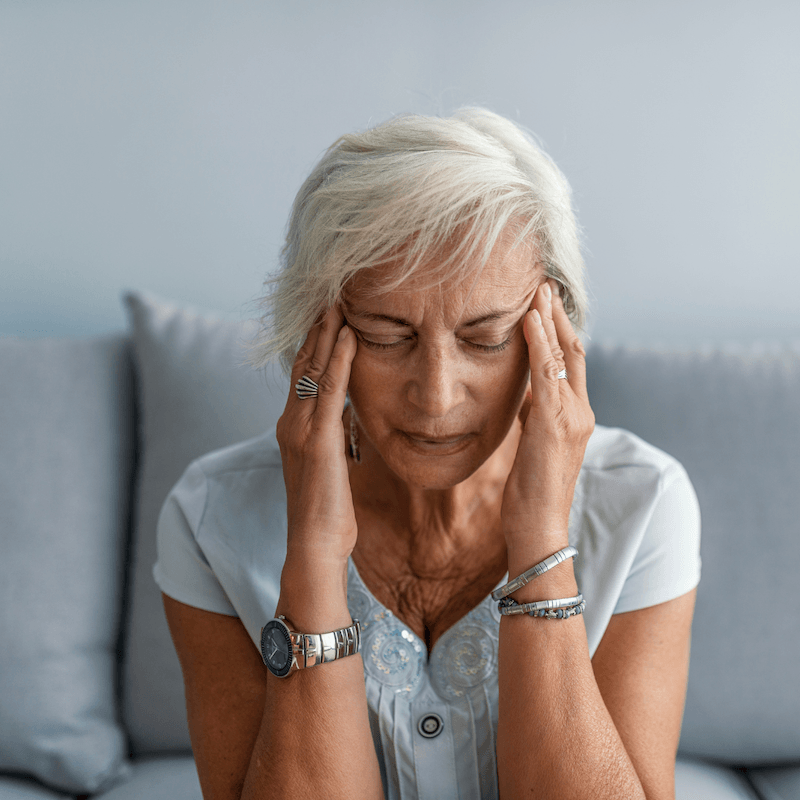
A migraine condition does not always cause debilitating head pain; in clinical reality, a vestibular migraine targets balance function, motion perception, and spatial awareness. Our otolaryngology practice evaluates ongoing dizziness episodes to differentiate vestibular migraine from other balance disorders. To achieve successful migraine treatment, patients must understand their symptom patterns and report them accurately to their medical provider.
Understanding the Clinical Differences Between Vestibular and Regular Migraines
Typical migraine attacks and vestibular migraines share the same neurovascular pathology, but their primary presenting symptoms differ. A classic migraine episode characteristically features moderate to intense cephalalgia that is unilateral, throbbing, and worsened by routine physical movement. Concurrent symptoms routinely include autonomic nausea, photophobia, phonophobia, and transient focal neurological aura.
Vestibular migraine characteristically triggers episodes of spinning vertigo, persistent dizziness, unsteadiness, and motion intolerance. Head pain can emerge during an attack, but it does not have to be present during every vestibular occurrence. Flare-ups can feature an illusory sensation of internal or environmental spinning, head-movement-induced dizziness, and visual vertigo in crowded spaces.
Characteristic vestibular migraine attacks generally endure for durations ranging from five minutes to 72 continuous hours. The variability of symptoms from one flare-up to another makes identifying a migraine link less straightforward than tracking head pain.
Underlying Causes and Triggers of Vestibular Migraines
There is no single medical pathology identified as the isolated cause of vestibular migraine. Current research points to intertwined central pathways that simultaneously process migraine pain and vestibular sensory data. A confirmed personal or genetic history of migraines and a lifetime of motion intolerance can predispose individuals to the condition.
Typical episode triggers encompass the following:
- Irregular resting routines and inadequate nightly sleep
- Missed meals, fluctuating blood glucose, or systemic dehydration
- Psychological tension or the sudden drop in stress levels following high-pressure events
- Menstrual fluctuations and other significant reproductive endocrine shifts
- Visually complex settings, flickering light sources, and intense illumination
- Prolonged travel, turbulent physical motion, or rapid digital screen scrolling
- Alcohol or individually identified food triggers
- Weather changes or sensory overload
Detailed Symptom Breakdown: Vestibular vs. Regular Migraine
While recurrent head pain defines typical migraines, the full spectrum of migraine symptoms extends beyond localized discomfort. Clinical presentations frequently feature nausea, vomiting, visual aura, physical exhaustion, mental clouding, neck pain, and sensory hypersensitivity.
Symptoms associated with vestibular migraine often encompass:
- True rotational vertigo or generalized non-rotational movement illusions
- Chronic postural instability, dysequilibrium, or sudden loss of balance
- Vestibular dizziness elicited by vertical or horizontal head motion
- Motion-induced nausea or severe motion sickness
- Visual motion hypersensitivity when viewing digital displays, high-density crowds, or repetitive wallpaper
- Illusory spatial sensations including continuous rocking, vertical floating, tilting, or lateral magnetic pulling
- Photophobia, sound intolerance, and pronounced optical hypersensitivity
- Sensations of internal head fullness, tight cranial pressure, or full-blown migraine cephalalgia
- Temporary ear pressure, fullness, or ringing
Analyzing episode frequency, duration, and precipitating factors helps differentiate vestibular migraine from competing inner ear pathologies. Sudden dizziness combined with focal weakness, localized numbness, slurred speech, double vision, loss of consciousness, or gait failure necessitates emergency care.
Can You Experience Vertigo and Head Pain During the Same Migraine?
Yes, they can. Vertigo and a migraine headache can occur during the same attack. Vestibular symptoms may precede the headache as an aura, emerge during peak cephalalgia, linger after the pain resolves, or occur during entirely isolated episodes. It is common for individuals to alternate between attacks centered on severe headaches and episodes dominated by vestibular imbalance over several years.
An episode of vertigo does not have to feature head pain to be classified within the migraine spectrum. Maintaining a dedicated symptom journal helps track chronological correlations that are easily overlooked during clinical consultations. Be sure to log the onset and duration of dizziness, headache severity, sensory changes, menses, sleep quality, dietary intake, identified triggers, medications taken, and treatment responses. Providing this detailed history ensures that your audiological and ENT assessment remains highly accurate.
How Physicians Evaluate and Confirm Vestibular Migraine
A definitive diagnosis cannot be established through a single blood draw, MRI scan, or individual vestibular balance test. Establishing a diagnosis starts with documenting your subjective episode descriptions alongside your history of migraine with or without aura. Established diagnostic criteria demand at least five moderate or severe balance episodes lasting five minutes to 72 hours, with concurrent migraine symptoms present in at least half of them.
Our clinical evaluation includes targeted neurological exams, oculomotor testing, middle-ear inspections, diagnostic audiometry, and specialized balance studies. Based on your presenting symptoms, clinical testing may involve diagnostic audiometry, Dix-Hallpike positional testing, vestibular function studies, or MRI imaging. These comprehensive assessments allow our clinical team to identify or eliminate alternate conditions that trigger overlapping vertigo. We confirm a vestibular migraine diagnosis strictly when clinical criteria align and alternative vestibular pathologies are ruled out.
Evidence-Based Treatments for Vestibular Migraine
Therapeutic strategies are carefully customized based on episode frequency, attack intensity, presence of cephalalgia, systemic medical comorbidities, and pharmacological side effects. Clinical success typically relies on combining consistent daily prophylactic measures with an emergency protocol for managing acute vestibular episodes.
We develop an individualized treatment regimen which may feature:
- Adhering to predictable sleep cycles, regular meal timing, daily hydration targets, and steady physical activity
- Identification and reduction of consistent personal triggers
- Utilizing structured stress-mitigation techniques, mindfulness programs, or behavioral therapies
- Utilizing pharmaceutical antiemetic therapies to control severe nausea and associated symptoms
- Judicious, short-term utilization of vestibular suppressant medications during debilitating episodes
- Preventive medicines such as beta-blockers, calcium channel blockers, topiramate, certain antidepressants, or other migraine therapies
- Customized vestibular rehabilitation therapy to address persistent disequilibrium and visual motion intolerance
Over-reliance on vestibular suppressants is discouraged because frequent administration causes sedation and impedes central neurological adaptation. All prescription decisions must be established alongside our clinical team rather than borrowed from someone else’s treatment protocol. Improvement may require gradual dose adjustments and tracking symptoms over time.
Request a Clinical Evaluation for Vestibular Migraine
If chronic vertigo, motion intolerance, or balance instability is impacting your quality of life, arrange an evaluation with our ENT practice. Your consultation can include a review of migraine history, health conditions, and treatment goals, with a focused examination and appropriate testing to help distinguish vestibular migraine from BPPV, Ménière’s disease, and other causes of dizziness. Get in touch with our ENT clinic now to request your vestibular migraine appointment.